By Myles Goodwin, Rural Subdivision Expert and Environmental Director, Cato Bolam Consultants.
Many rural landowners want to add value while preserving their land’s rural character. Transferable Development Rights (TDRs) and environmental enhancement subdivisions can help you unlock new titles while protecting and restoring your land.
Creating new titles from protected land
Under the Unitary Plan, if you have qualifying native bush or wetland, you may be able to create a Transferable Development Right (TDR) by permanently protecting and enhancing these areas on your ‘donor’ site. This development right can then be transferred to a ‘receiver’ site in the Rural Countryside Living Zone, where a new lifestyle lot is created while the donor land remains legally protected and managed over the long term.
For many landowners this is attractive; existing bush or wetland may already meet the thresholds to generate a transferable right without taking productive paddocks out of use.
Environmental enhancement subdivision follows a similar logic. On properties with Significant Ecological Areas (SEAs) or other ecological features, new lots may be created by legally protecting, fencing, restoring and managing those areas. An SEA is a mapped overlay in the Unitary Plan that identifies land with recognised ecological significance. The overlay does not, on its own, grant subdivision rights; it is often the key ingredient that enables either on-site enhancement lots or donor titles for TDRs.
What this looks like on the ground
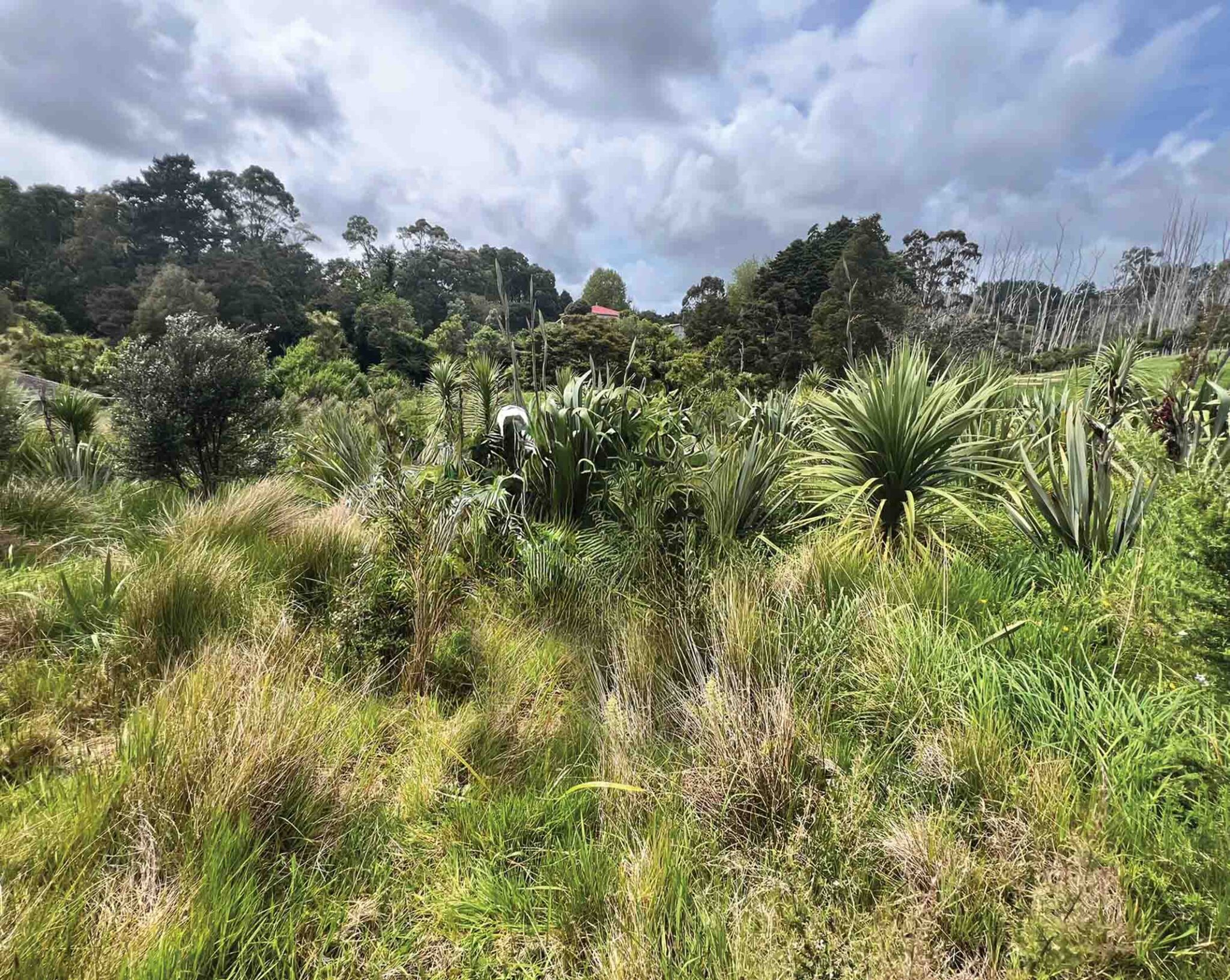
Our team recently revisited a Transferable Development Right donor site seven years after it was created. To secure the donor site, native-planted areas were fenced to exclude stock, followed by several years of focused pest control and maintenance to help young plants establish and meet the Unitary Plan requirements. Those conditions are now well established; wetlands are stable, the bush has canopy closure, and native birdlife is noticeably stronger.
“We don’t often get to revisit projects years later,” says Joshua Wium, Senior Ecologist, “Seeing something transform from a vision into a thriving landscape reinforces why this work matters.”
“You can see the shift from a low-diversity paddock to a rich native landscape,” notes Tristan McArley, Senior Ecologist. “Early maintenance is everything; those first few years of care have enabled the native understory to establish naturally.”
New opportunities with non-contiguous SEAs
A 2024 Environment Court decision has changed how some Significant Ecological Areas (SEAs) can be assessed. Non-contiguous pockets of protected significant ecological areas on the same property can in some cases be considered together to meet subdivision or transferable title thresholds. For rural landowners, this can open up new options to qualify for environmental enhancement subdivisions or Transferable Development Rights, while securing long-term protection for important bush and wetland areas.
What this could mean for you
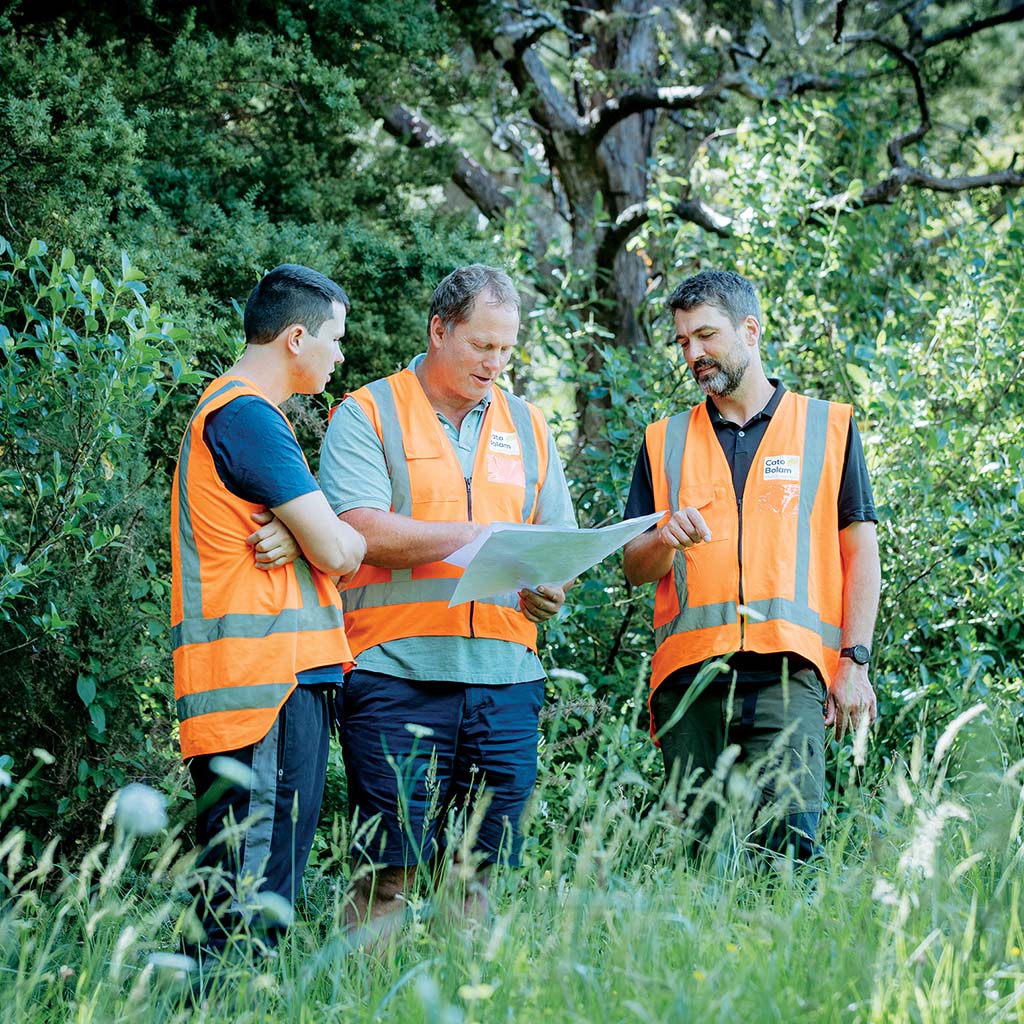
For rural landowners, the benefits are both financial and environmental, including the potential to create and sell new titles or retain them for family use, as well as the permanent protection of important bush, wetlands, and waterways. These outcomes can also support better biodiversity, healthier waterways, and more resilient slopes over time.
If you’d like to explore what could be possible on your land, and how our planning and ecology team can help you unlock its potential, get in touch for a free discovery call on 0800 2 CATOBOLAM or email Myles Goodwin at [email protected].