If you’re considering a development project, whether it’s a residential, rural, commercial, industrial or infrastructure project, one of the biggest questions is often:
What can I realistically achieve, and what will it take to get there?
For landowners and developers, buildability is no longer defined by zoning alone. It comes down to how planning rules, servicing, and site-specific constraints align in practice. While this article focuses on Auckland’s urban suburbs, many of these factors apply more broadly across both urban and rural land.
Before significant time and investment are committed, it’s important to understand what’s feasible.
Can the site support your vision? What infrastructure will be required? What approvals may be needed? Are there opportunities you haven’t considered, or constraints that could influence the outcome?
“Every project starts with an idea. The challenge is understanding what it will take to bring that idea to life, and clearly establishing the economics behind it,” says Simon Reiher, Director at Cato Bolam.
The potential of a site is influenced by a range of factors. Access, servicing, topography, planning requirements, environmental features and future growth all play a role in shaping what can be delivered.
Identifying an opportunity is often the easy part. Understanding what it will take to deliver it is what shapes the outcome.

Getting Clarity Before You Commit
For many landowners and developers, the biggest decisions need to be made quickly and clearly before committing significant time and money. Should you proceed as planned? Is there a better option? Are there opportunities to create more value? What level of investment will be required to achieve the desired outcome?
“Good advice isn’t just about understanding what can be done,” says Simon. “It’s about helping clients identify where they should invest their time, effort and capital to achieve the best outcome.”
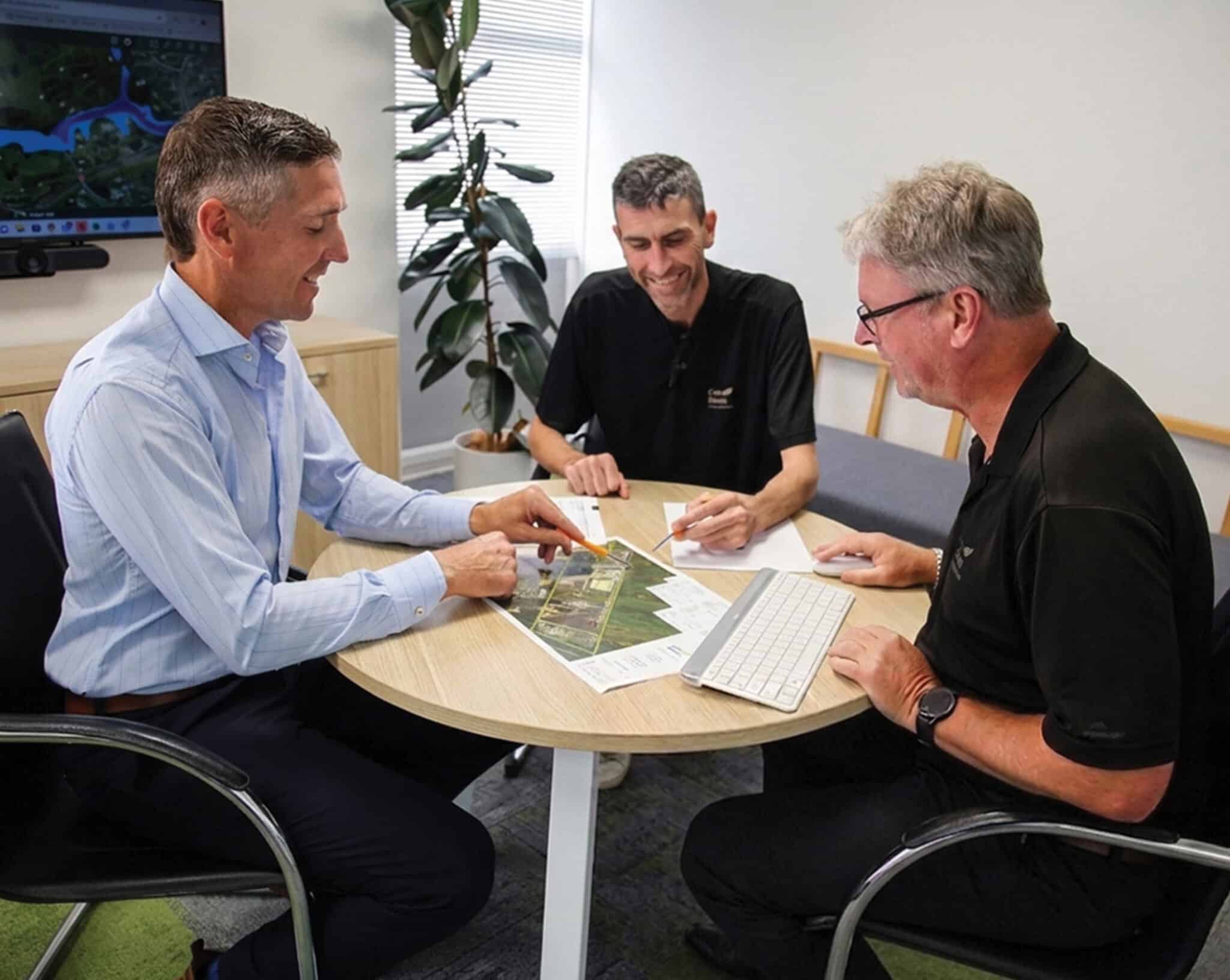
Exploring feasibility early allows different options to be tested before major decisions are made. It can help identify opportunities, uncover potential constraints and provide greater certainty around project direction. It can also provide greater confidence around investment decisions by helping identify project requirements, risks and opportunities before significant commitments are made.
Whether it’s a residential development, industrial expansion, commercial project or rural subdivision, early decisions can influence cost, timing, risk and future value. Looking at the bigger picture early helps ensure investment decisions are made with a clear understanding of both the opportunities and the challenges ahead.
“Following these big decisions, the development process can be approached systematically, allowing clear assessment of risk, budget, timing and cost,” says Simon.
Why Early Advice Matters
Many of the most important project decisions are made before design, consenting or construction begins.
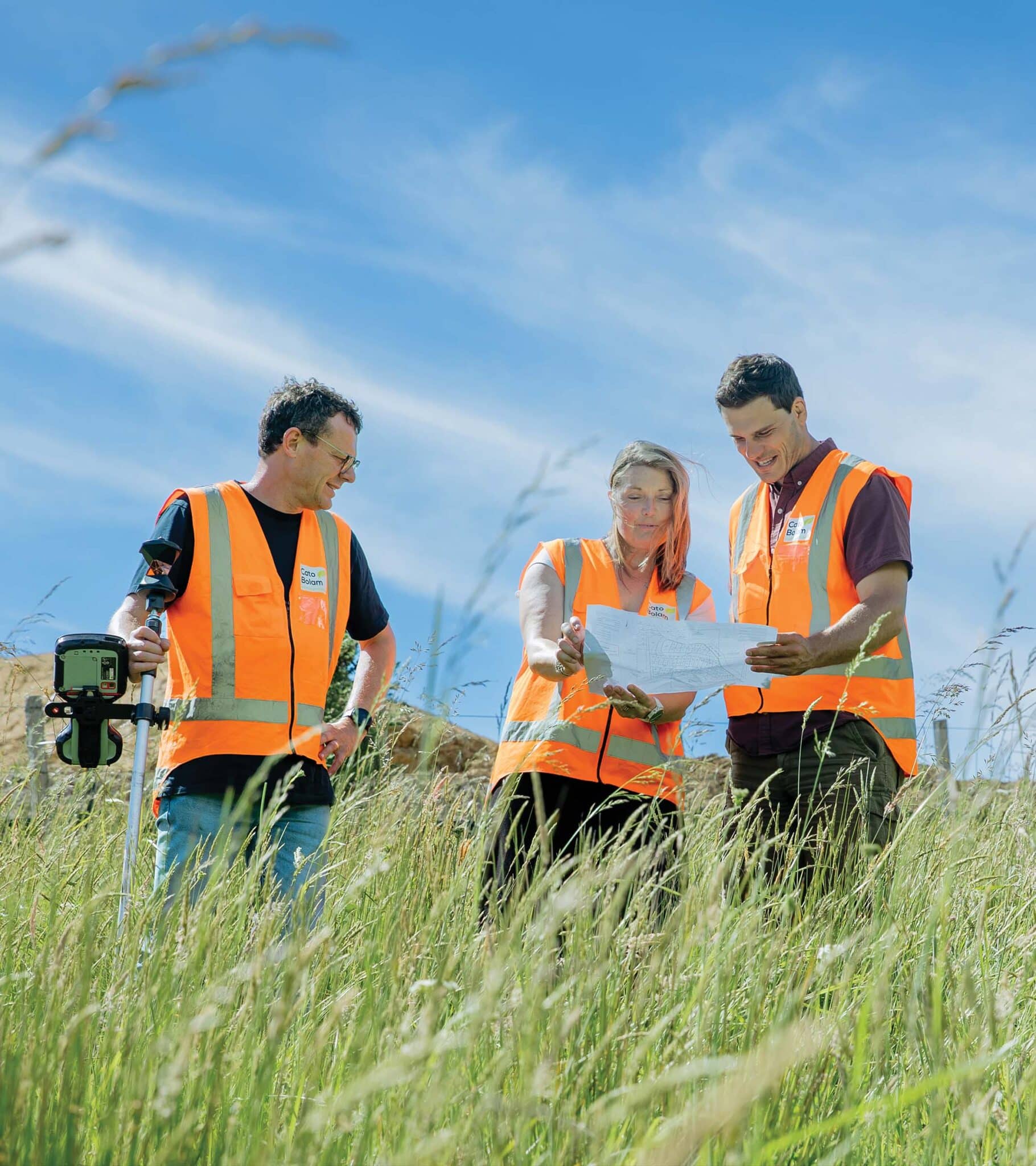
“Getting the right advice early is critical. We often see people invest significant time and money pursuing a particular direction, only to discover there are site constraints or requirements they hadn’t anticipated. Early advice helps identify opportunities, avoid unnecessary delays and create a clearer pathway forward,” says Kaaren Joubert, Planning Manager at Cato Bolam.
If you have a project in mind, now is the time to start the conversation.
Whether you’re exploring development opportunities, assessing feasibility, or looking for greater certainty around your next steps, an early discussion can help clarify what’s possible and what it will take to achieve it.
After establishing project feasibility, it’s also worth considering the essential factors for development success and how they can influence project outcomes.
Contact the Cato Bolam team for an obligation-free discussion about your project and your options.