City Rail Link, North West Rapid Transit and PC120: September Update
Three significant Auckland planning and transport milestones converge this September. The City Rail Link (CRL) officially opens on 13 September, North West Rapid Transit received Fast-track approval on 4 September, and submissions are currently open on the revised Plan Change 120 (PC120) proposals.
Each sits at a different point in the planning and infrastructure cycle. CRL is becoming operational after years of planning and construction. PC120 remains subject to the statutory planning process, while North West Rapid Transit has secured approval but remains a longer-term infrastructure proposition.
Together, they provide a useful view of where significant transport investment and additional development capacity are beginning to coincide across Auckland.
CRL changes the context for the existing rail corridor
CRL has been factored into Auckland’s transport and land-use planning for many years. Its opening moves that infrastructure from a planning assumption to an operating part of the network.
The 3.45 km link creates a through-route beneath the city centre, adds new stations at Te Waihorotiu and Karanga-a-Hape, and connects the network through the redeveloped Maungawhau/Mt Eden Station.
For development, CRL’s significance extends beyond the new stations' catchments. It improves connectivity across the wider rail network, including corridors where PC120 proposes significant additional development capacity. From 13 September, that connectivity will no longer be a future planning assumption but part of Auckland’s operating transport network.
PC120 proposes greater capacity around parts of that network
We have previously covered the detail of the proposed zoning changes, which are now more targeted following the Government’s reduction of Auckland’s minimum theoretical housing capacity requirement from around two million homes to at least 1.4 million.
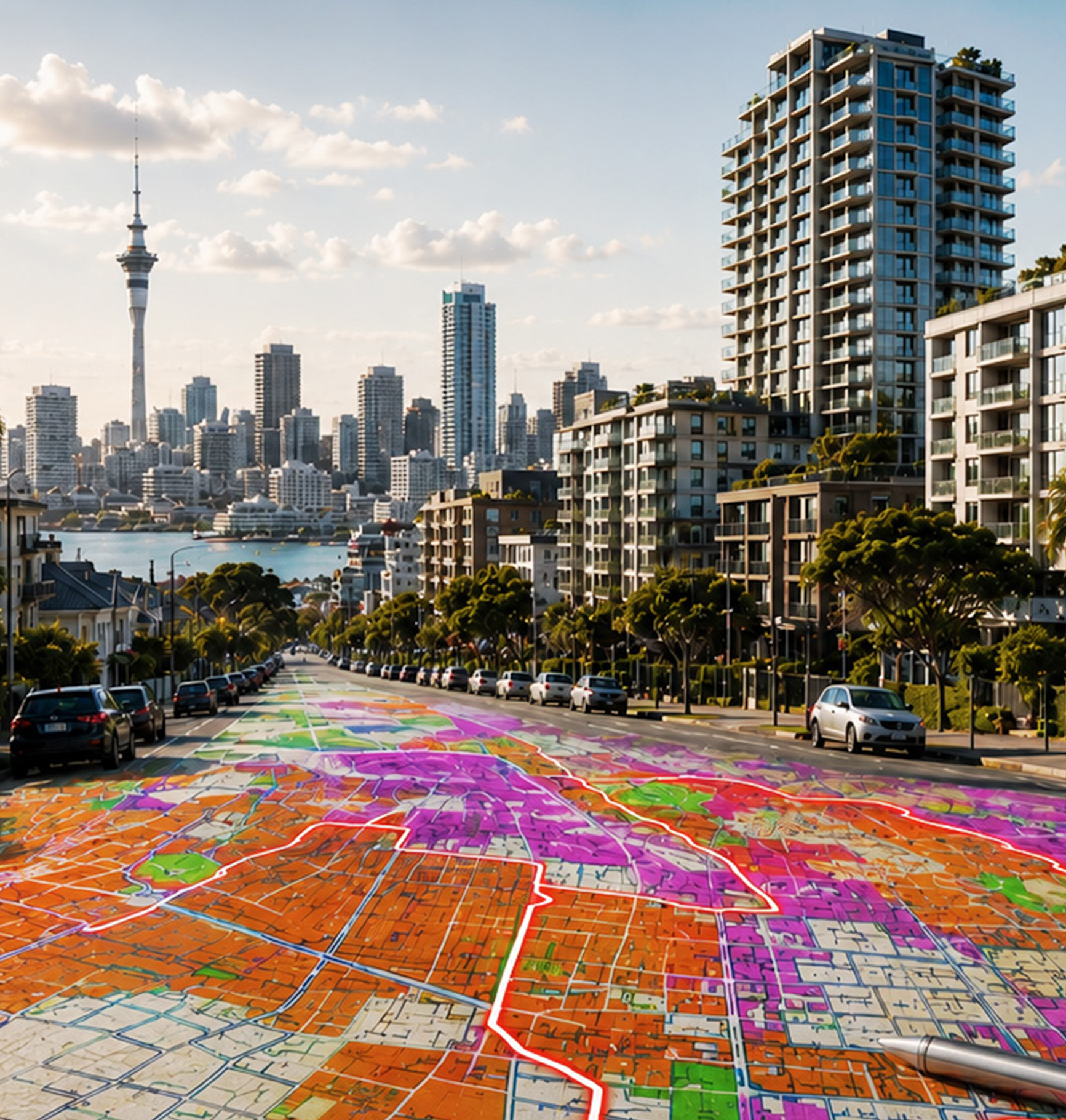
Significant proposed intensification remains concentrated around rapid transit stations and metropolitan centres, including parts of the Western Line that will directly benefit from the new CRL network.
This creates the potential for two forms of capacity to increase in the same locations: zoning capacity to accommodate more homes and businesses, and transport capacity and connectivity to support a more intensive urban environment.
Neither guarantees development. PC120 remains proposed, and any zoning changes will not be confirmed until the statutory process concludes. Even where additional capacity is enabled, how quickly it is taken up will depend on the capacity of other supporting infrastructure, market conditions, land ownership, development economics and the characteristics of individual sites.
For developers considering longer investment horizons, however, the combination is more meaningful than either zoning or transport investment considered independently.
Please note, PC120’s natural hazard provisions are a separate consideration. They respond to natural hazard risk rather than transport accessibility and may restrict development capacity on affected sites.
The north-west presents a different proposition
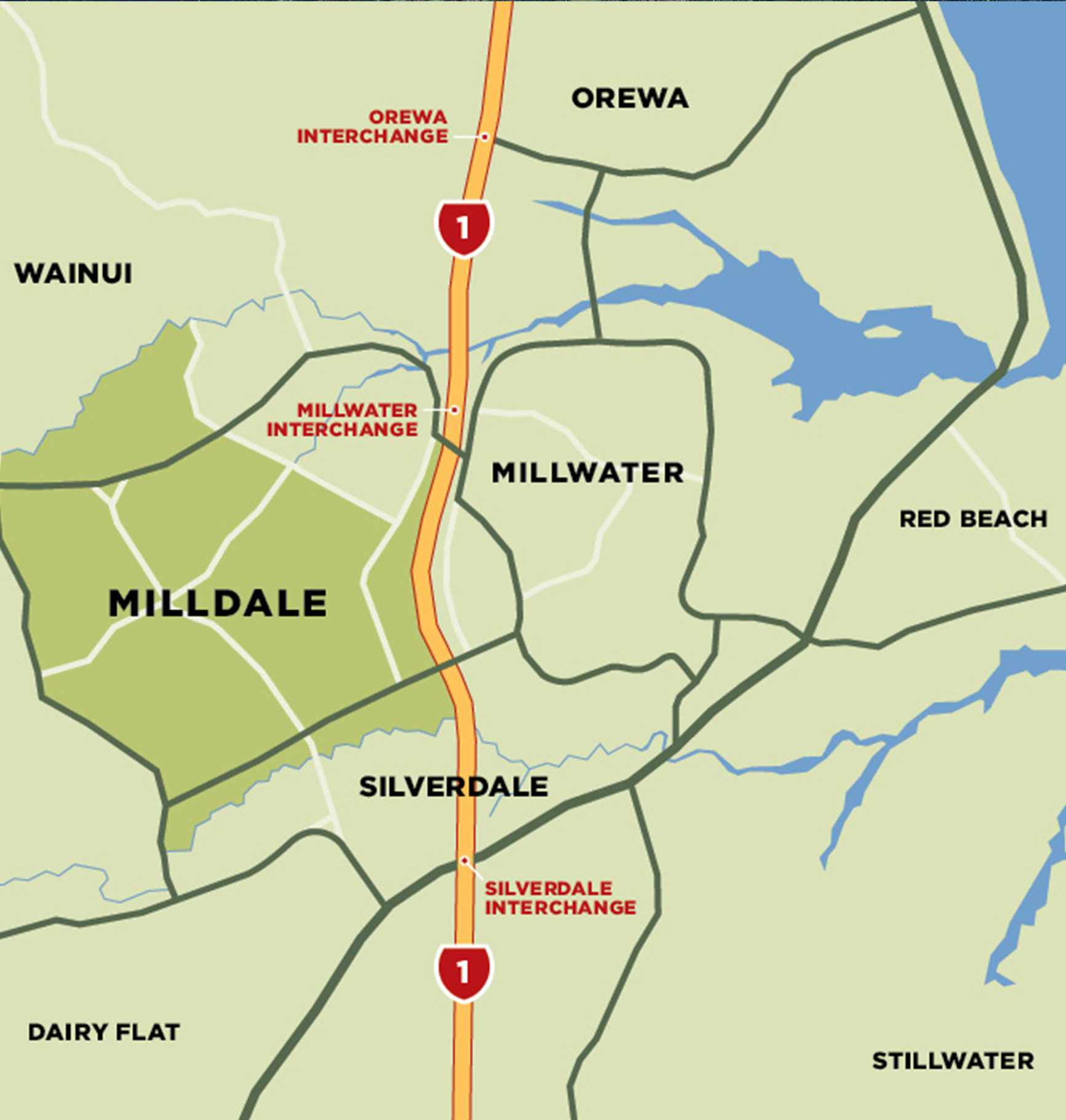
The Fast-track approval of North West Rapid Transit brings another major Auckland growth corridor into the picture.
The approved project provides for rapid transit between Brigham Creek and the city along SH16, serving the wider north-west where significant residential and business growth is already occurring or planned.
The north-west presents a different development context. Unlike the established rail corridor, significant urban growth and the infrastructure required to support it are progressing concurrently across areas including Westgate, Whenuapai and Redhills.
The wider busway is not yet fully funded and does not have a confirmed overall delivery timeframe. It is expected to be delivered in stages as further funding becomes available. However, delivery of the funded Brigham Creek Rarawaru station and park-and-ride is underway, with detailed design in progress. Ground preparation works are expected to begin in early 2027, with completion currently anticipated in early 2029.
Fast-track approval strengthens the longer-term transport proposition for the north-west, but does not itself change development capacity. Funding, infrastructure delivery and the timing of future growth remain important considerations.
CRL provides useful perspective on that timeframe. Major infrastructure can influence planning and investment decisions well before it becomes operational, with development continuing to respond long after completion.
What does this mean for development?
Where increased planning capacity and transport investment coincide, the fundamentals for more intensive development may strengthen, but the opportunity remains site-specific.
Infrastructure availability, individual site characteristics, the presence of natural hazards and development economics will determine where that translates into viable development. For landowners affected by PC120, the immediate consideration is what the proposed changes could mean for their property while submissions remain open.

PC120 submissions are open
Additional submissions on PC120 close at 5pm on 24 September 2026.
If you own or are considering developing land affected by the revised proposals, now is the time to understand the proposed provisions and how the planning context around your site may change.
Cato Bolam’s planning team can help assess the implications for your property or development plans and prepare a submission where appropriate. To allow sufficient time to assess your site and prepare a submission, please contact us by 17 September at the latest.