Considering Rural Subdivision in the Next Five Years? Start Planning Now
If rural subdivision is part of your longer-term plans, it is worth exploring your options now.
The Government is progressing legislation to replace the Resource Management Act. Under the proposed system, Auckland would eventually need to prepare a regional combined plan to replace the current Auckland Unitary Plan.
Exactly what this will mean for rural subdivision is not yet known. What we do know is that, when the Unitary Plan was first developed, the initial Council-supported version did not provide for subdivision based on wetland or bush protection, or bush planting. These provisions were added following submissions and an Environment Court process. That history matters because subdivision pathways will likely be reconsidered when Auckland’s new plan is prepared.
For landowners thinking three to five years ahead, that makes it worth understanding what may be possible under today’s rules and whether any groundwork should begin sooner rather than later.
How current subdivision pathways can add value to your land
The Auckland Unitary Plan provides several rural subdivision pathways, depending on the zoning, size and characteristics of your property.
For some larger rural properties, a standard subdivision may be available where the relevant lot-size requirements can be met.
Other opportunities are linked to environmental protection. Environmental enhancement subdivision can allow new titles to be created by permanently protecting qualifying native bush, wetlands or restored ecological areas.
Transferable Rural Site Subdivision (TRSS) provides another pathway. Where qualifying ecological areas are protected, a subdivision right may be created and transferred to eligible land in the Countryside Living Zone rather than creating the additional lot on the original rural property.
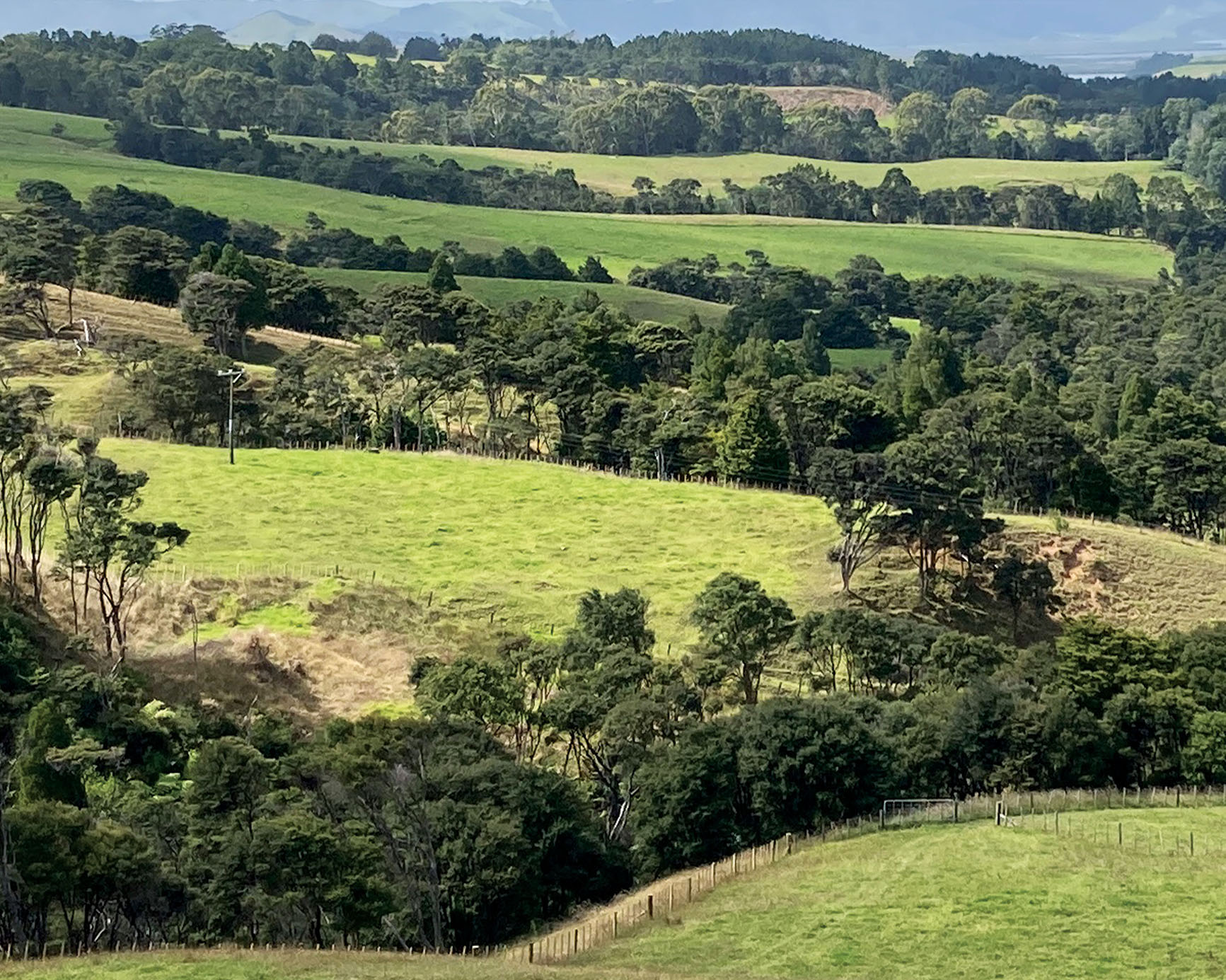
For some landowners, these pathways can help realise additional value from parts of the property that may be better suited to environmental protection or enhancement, including wetlands, gullies and remnant bush.
Future rules may look different
If the last Unitary Plan process is any guide, there is a possibility that rural subdivision could become more restricted when Auckland’s new planning rules become operative.
We do not yet know what the future provisions will look like, but current subdivision pathways should not be assumed to carry forward unchanged.
Why starting early matters
Environmental enhancement and TRSS pathways can have a considerable lead-in time.
Wetland restoration, native planting, fencing, pest management and ecological establishment all take time. Depending on the site, the ecological thresholds needed to support a subdivision pathway can often take one to three years to achieve.
If subdivision is part of your five-year plan, now is a good time to understand which pathways may be available and whether wetland restoration, planting, surveying or other work needs to begin early.
Understand your options
If you have been thinking about adding value to your rural property through subdivision, talk to the Cato Bolam rural subdivision team.
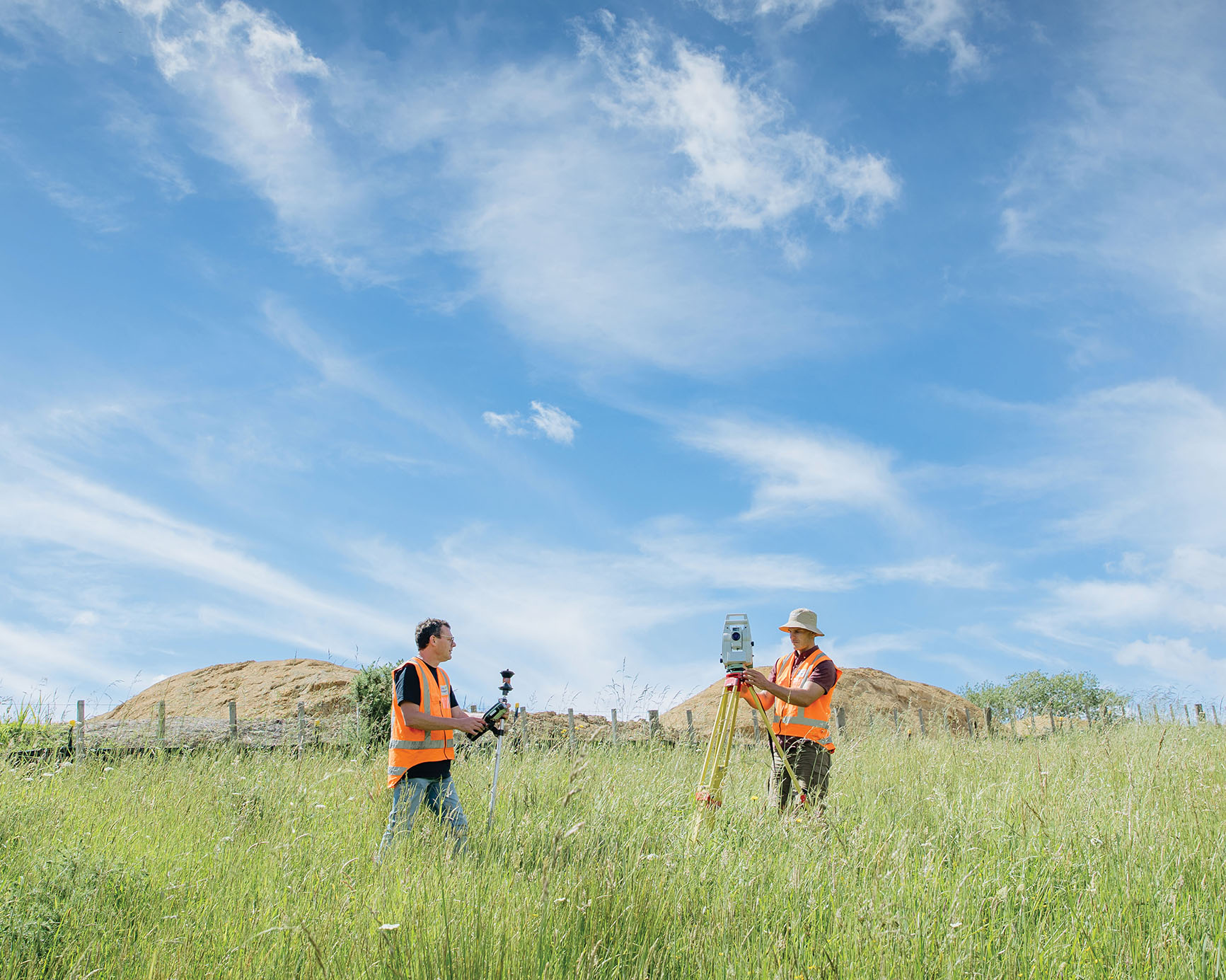
A free rural site assessment can identify potential opportunities for standard subdivision, environmental enhancement or TRSS and give you an early indication of the work and timeframe involved.
For an obligation-free discussion, contact Myles Goodwin and the rural subidivision team.