
Fast-track Development: Planning Infrastructure and its Funding from the Outset
Fast-track offers an important opportunity to accelerate projects with significant regional or national benefits. While infrastructure servicing already needs to be addressed through the Fast-track approval process, recent changes to the development contributions regime introduce an additional funding consideration for developers.
Territorial authorities can now adopt or amend a development contributions policy for a qualifying Fast-track development within six months after approval is granted. This means the final development contribution liability may not be known when approval is issued.
For developers, the key new consideration is not simply whether infrastructure is available, but how the growth-related cost of new, upgraded or accelerated infrastructure may ultimately be allocated to the project.
What has changed?
The new provisions apply to qualifying Fast-track resource consent approvals from 19 September 2026, subject to transitional exclusions for applications that had already reached specified stages before the provisions commenced.
A territorial authority may require a contribution where the development, either on its own or cumulatively with other development, creates a need for new or additional assets, or assets of increased capacity, and this results in eligible capital expenditure or financing costs.
Importantly, the relevant development contributions policy does not necessarily need to anticipate the project when Fast-track approval is granted.

Where could the new provisions be particularly relevant?
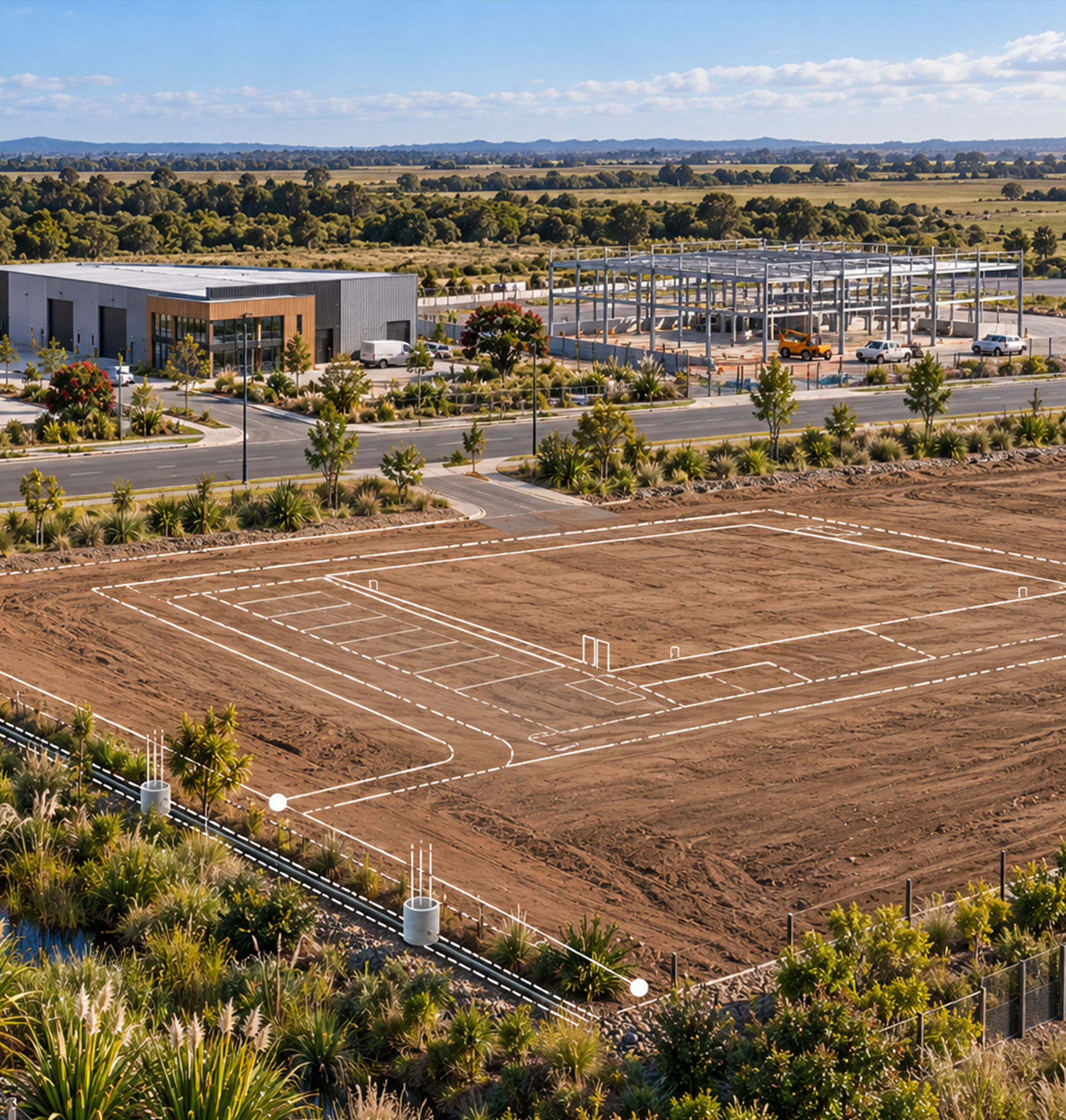
The new regime is most relevant where a Fast-track development may create or accelerate infrastructure expenditure that was not anticipated through the usual infrastructure planning and funding cycle.
This may include developments that:
- sit outside an established or funded growth area;
- proceed earlier, or at a greater scale or intensity, than anticipated;
- bring forward or increase the scale of transport, water or other network infrastructure investment;
- displace capacity planned for other growth, requiring additional or earlier investment; or
- create infrastructure costs in an adjacent territorial authority.
These circumstances do not themselves trigger a contribution.
The key issue is whether the development results in new, additional or increased-capacity infrastructure and consequential eligible expenditure.
What should developers consider?
The new regime makes infrastructure cost allocation an important part of early project planning.
Developers should consider:
- whether the existing development contributions policy already provides for the project and relevant growth infrastructure;
- what additional or accelerated infrastructure expenditure the project could generate;
- whether cross-boundary infrastructure costs may arise; and
- what infrastructure or funding will already be provided through direct works, consent conditions or a development agreement.
The legislation also protects against double recovery. A development contribution cannot recover infrastructure costs that the developer or another party has already provided, undertaken to provide, or agreed to fund.
Understanding these matters early can provide greater clarity around project feasibility, staging, funding and delivery.
Cato Bolam works with developers from early feasibility through consenting, detailed design and project delivery. Our planning, civil engineering, surveying, ecology and architectural teams can assess Fast-track opportunities alongside infrastructure requirements, development contribution exposure, staging and delivery considerations.
A changing infrastructure funding landscape
The Government is also progressing a new development levy regime intended eventually to replace development contributions, with further legislation expected in 2027.
Together, these reforms reinforce the importance of understanding not only what infrastructure a development requires, but how its cost may ultimately be shared.
Considering a Fast-track development? Talk to our planning and advisory team about the infrastructure, funding and delivery considerations for your project.