Now’s the Time to Plan Native Planting and Wetland Restoration
Autumn and winter are ideal seasons to start planning native planting
If you are considering restoring bush, enhancing wetlands, or exploring environmental enhancement subdivision opportunities, early preparation can make a measurable difference to timing, compliance, and long-term returns.
Wetlands and bush are more than environmental features. Managed well, they protect productive land, improve farm resilience, and can unlock value through Transferable Development Rights (TDRs) and environmental enhancement subdivisions.
Wetland restoration could be faster than you think
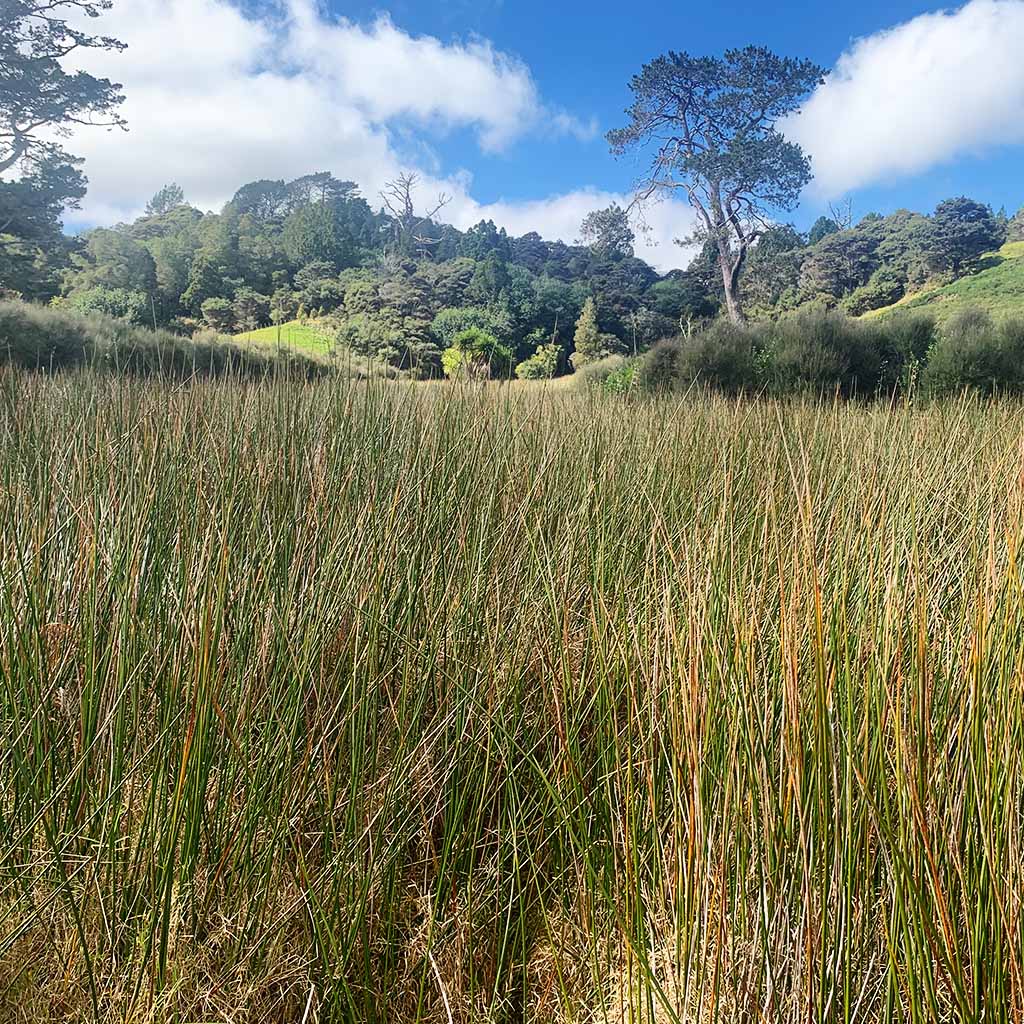
Wetlands are commonly found in low-lying or poorly drained parts of rural properties and may only be seasonally wet. They are not always obvious, and vegetation is often the key indicator, particularly water-tolerant species like rushes. Even degraded wetlands can be restored relatively quickly with fencing, targeted native planting, and early pest control.
With the right programme in place, ecological thresholds required for protection or subdivision can often be met within 1-3 years. We have seen full restoration programmes completed in as little as 22 months.
Unlocking value from gullies and remnant bush
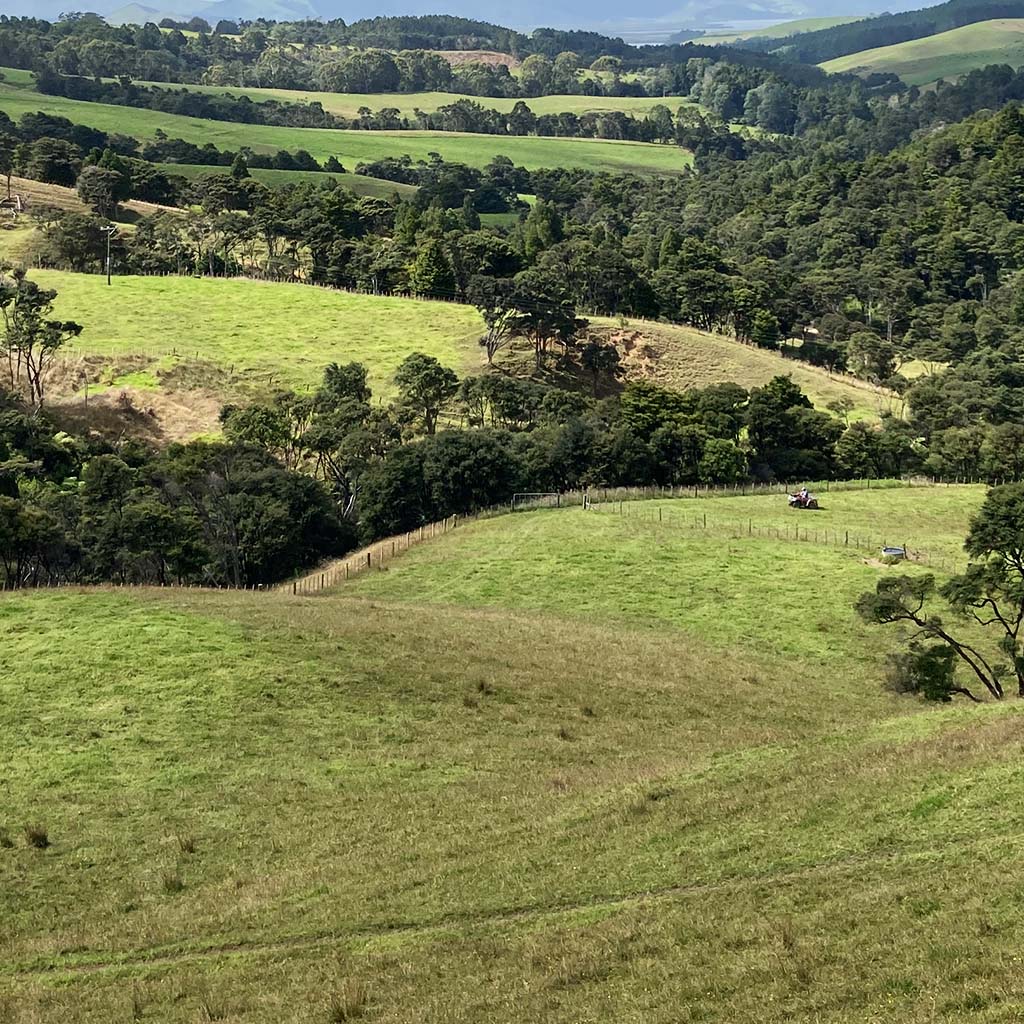
Many rural properties already contain pockets of native bush or wetlands tucked into gullies, steeper faces, or less productive corners. Under the Auckland Unitary Plan, protecting and enhancing these areas can create opportunity.
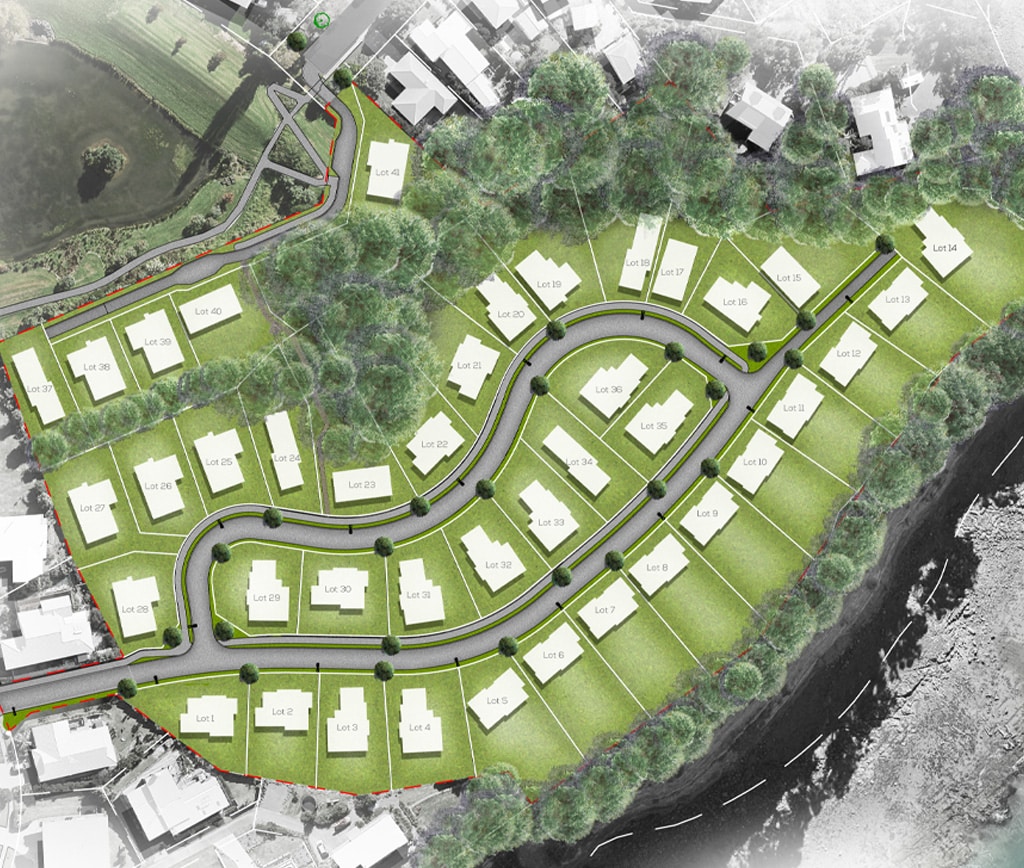
Where qualifying native bush or wetlands meet the required thresholds, landowners may generate a TDR or create new on-site titles while permanently protecting the ecological areas.
Importantly, the protected area no longer needs to be contiguous. A 2024 Environment Court decision confirmed that qualifying bush or wetland areas can be recognised even when made up of separate pockets.
For many farms, this reflects how the landscape functions, with remnant vegetation often retained in gullies or on south-facing slopes where planting and protection are practical. This allows landowners to focus protection on erosion-prone or lower-performing land, strengthen farm resilience, and meet policy thresholds without compromising productive areas.
It is about making better use of existing areas, protecting them permanently, and unlocking additional value.
How wetlands and bush create subdivision opportunities
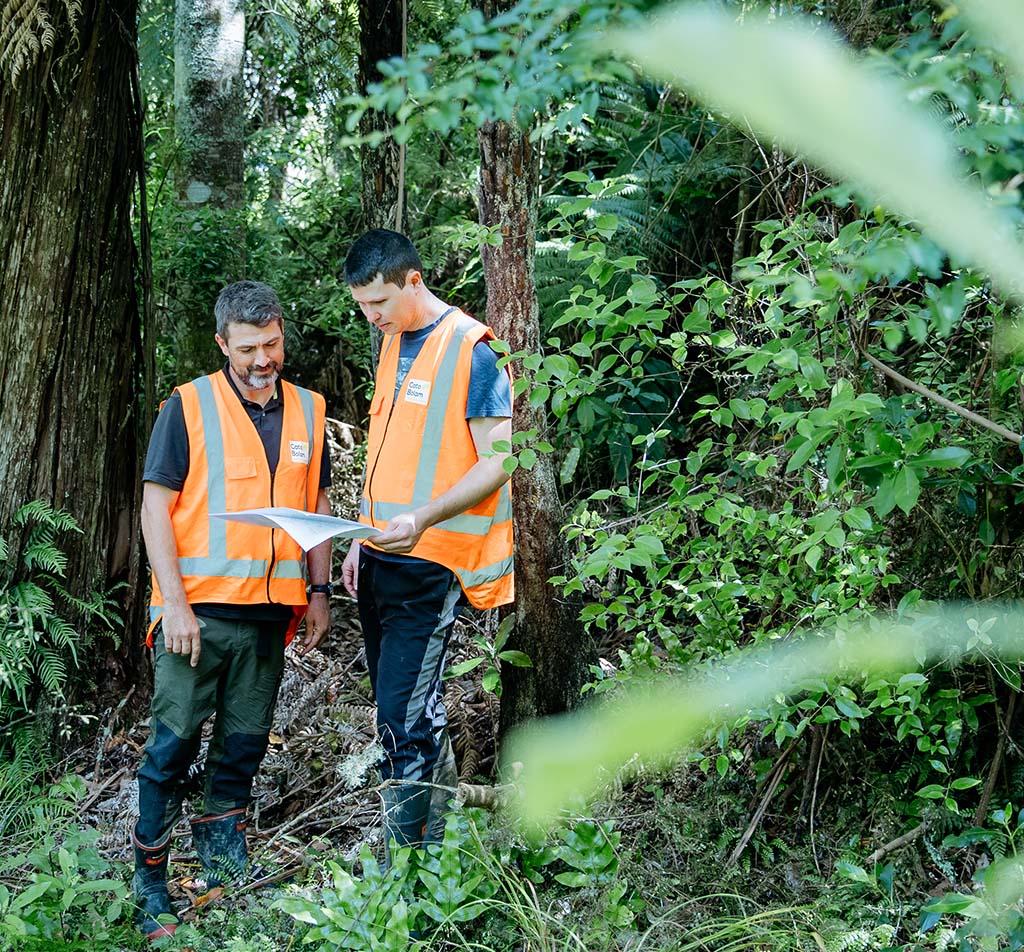
One rural client recently secured four new Transferable Title Rights (TTRs) by fencing and covenanting remnant bush in gullies and slip-prone areas. Rather than retiring high-performing paddocks, the strategy targeted marginal land. Excluding stock from vulnerable areas reduced maintenance and improved waterway protection. Proceeds from the TTRs supported further fencing and on-farm improvements.
The result is a more balanced property: productive land remains in use, marginal areas are stabilised, and long-term environmental gains are secured alongside tangible value.
Start with the right ecological advice
Existing bush and wetlands have value, even if they are not in pristine condition. In many cases, areas that look like rough pasture or scrub can become a long-term asset.
An ecological assessment can confirm whether an area qualifies as a wetland, whether bush meets indigenous vegetation criteria, and what subdivision or TDR options may be available.
Native planting, fencing, and pest management take time, so acting early gives you more control over staging and costs.
Book your free rural site assessment
We offer free site assessments to help landowners understand what may be possible on their property. If you are looking to make better use of unproductive areas, explore your options. Contact Myles Goodwin at mylesg@catobolam.co.nz or click the let's talk button below.