
Over the past year, we’ve shared updates on the Government’s proposed replacement of the Resource Management Act (RMA) and the introduction of new National Direction. Together, these reforms represent the most significant changes to New Zealand’s planning system in more than 30 years.
From the outset, the Government has signalled that planning reform is about more than replacing the RMA. It also includes changes to the governance arrangements that will support the future planning system.
The Head Start Initiative
In May 2026, the Government introduced the Head Start pathway as part of its Simplifying Local Government programme. The initiative provides a voluntary pathway for councils that want to reorganise their governance arrangements ahead of the new planning system, rather than waiting until after the 2028 local elections. According to the Government, the objective is to help councils deliver the new planning system while progressively aligning governance with the way it is designed to operate.
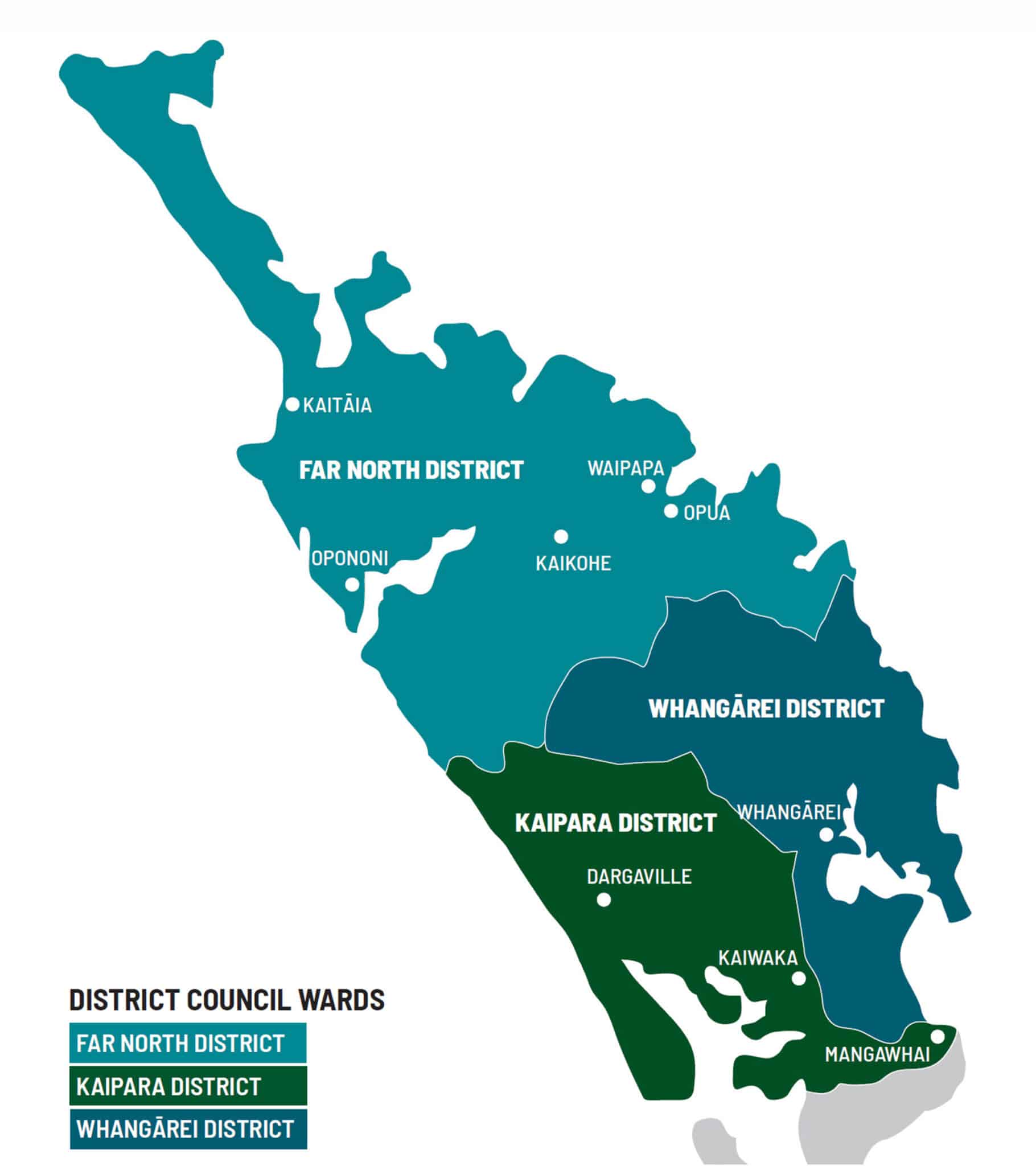
The programme is now beginning to take shape across New Zealand. Several regions, including Northland and Taranaki, are now exploring the Government’s voluntary Head Start pathway. Last week, Northland’s elected-member steering group recommended a staged pathway towards a single Northland-wide council. The proposal remains subject to approval by the four Northland councils and Cabinet before any changes can proceed. Learn more here.
How Head Start Fits into Wider Planning Reform
We’ve previously explored both the Government’s proposed RMA Reform and National Direction changes. The proposed planning framework would replace the RMA with two new Acts, introduce 30-year regional spatial plans and consolidate more than 100 planning documents into around 17 combined regional plans.
Because regional spatial plans must coordinate growth, infrastructure and environmental outcomes across council boundaries, the Government’s Head Start pathway provides an incentive to better align local government structures with the region-wide planning system before it takes effect.
What This Means for Landowners and Developers
For landowners and developers, there are no immediate changes. Existing district plans remain operative, and resource consent applications will continue to be assessed under the current legislation.
Before the new planning system materially affects most site-specific consent applications, each region must first prepare and decide a regional spatial plan. That plan will establish the long-term direction for growth, infrastructure and environmental management but will not itself contain the rules used to assess resource consent applications. Councils must then prepare new land use and natural environment plans to give effect to the spatial plan. Until those plans take legal effect, most applications will continue to be assessed under existing district and regional plans.
Keeping You Informed
“Planning reform is now occurring across multiple fronts, from legislation and national direction through to regional planning and local government,” says Kaaren Joubert, Planning Manager at Cato Bolam. “Our role is to help clients understand how those changes fit together and what they may mean for future development opportunities. We’ll continue to monitor these reforms and provide practical updates as the planning system evolves.”
As further decisions are made over the coming months, we’ll continue to provide updates about changes that may influence land development across Northland, Auckland and Waikato.
What’s Next?
Head Start
- Outline proposals due by 9 August 2026
- Cabinet considers proposals in September 2026
- Detailed design during 2026–27
- Final Cabinet decisions in 2027
- Approved changes implemented before the 2028 local elections
RMA Reform
- Select Committee report due to Parliament on 20 July 2026
- Planning Bill and Natural Environment Bill then progress through Parliament
- Regional spatial plans prepared before new planning rules are introduced.
Have a question?
Planning reform will continue to evolve over the coming years. If you’re considering a land development project or would like to understand how these changes may influence your property’s long-term potential, our planning team is here to help. Contact Cato Bolam for practical advice tailored to your project.