By Kaaren Joubert, Planning Manager, Cato Bolam Consultants.
The Infrastructure Funding and Financing Amendment Bill passed its third reading on 28 July 2026 and is awaiting Royal Assent. Once assent is granted, it will become the Infrastructure Funding and Financing Amendment Act 2026.
The Bill sets out changes intended to make levy-funded infrastructure projects easier to establish and use.
Background to the infrastructure funding model
The Infrastructure Funding and Financing model was introduced to help fund infrastructure where roads, transport or water services are delaying development.
Under the model, infrastructure can be financed upfront and repaid over time through a levy charged to properties that benefit from the investment.
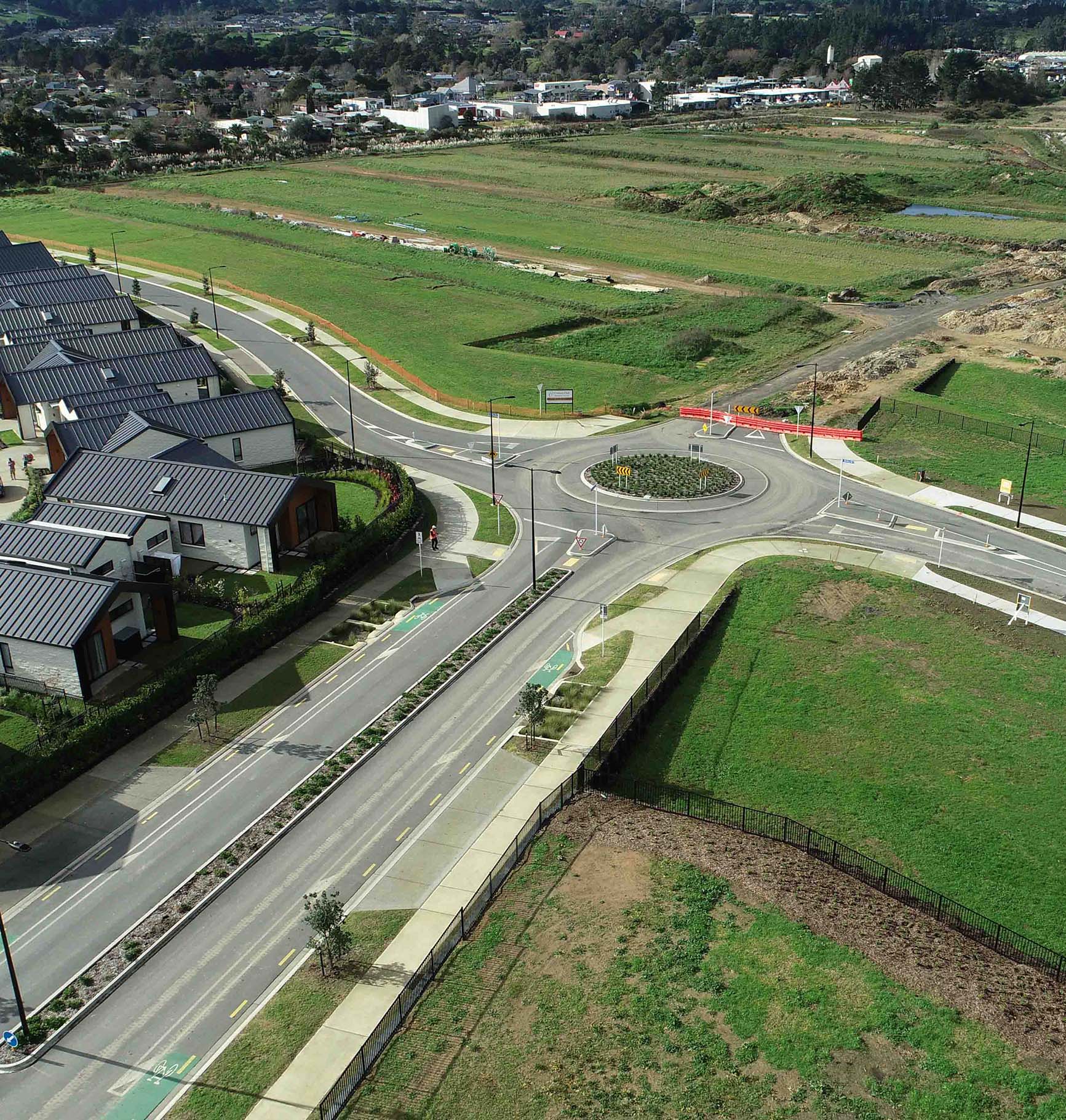
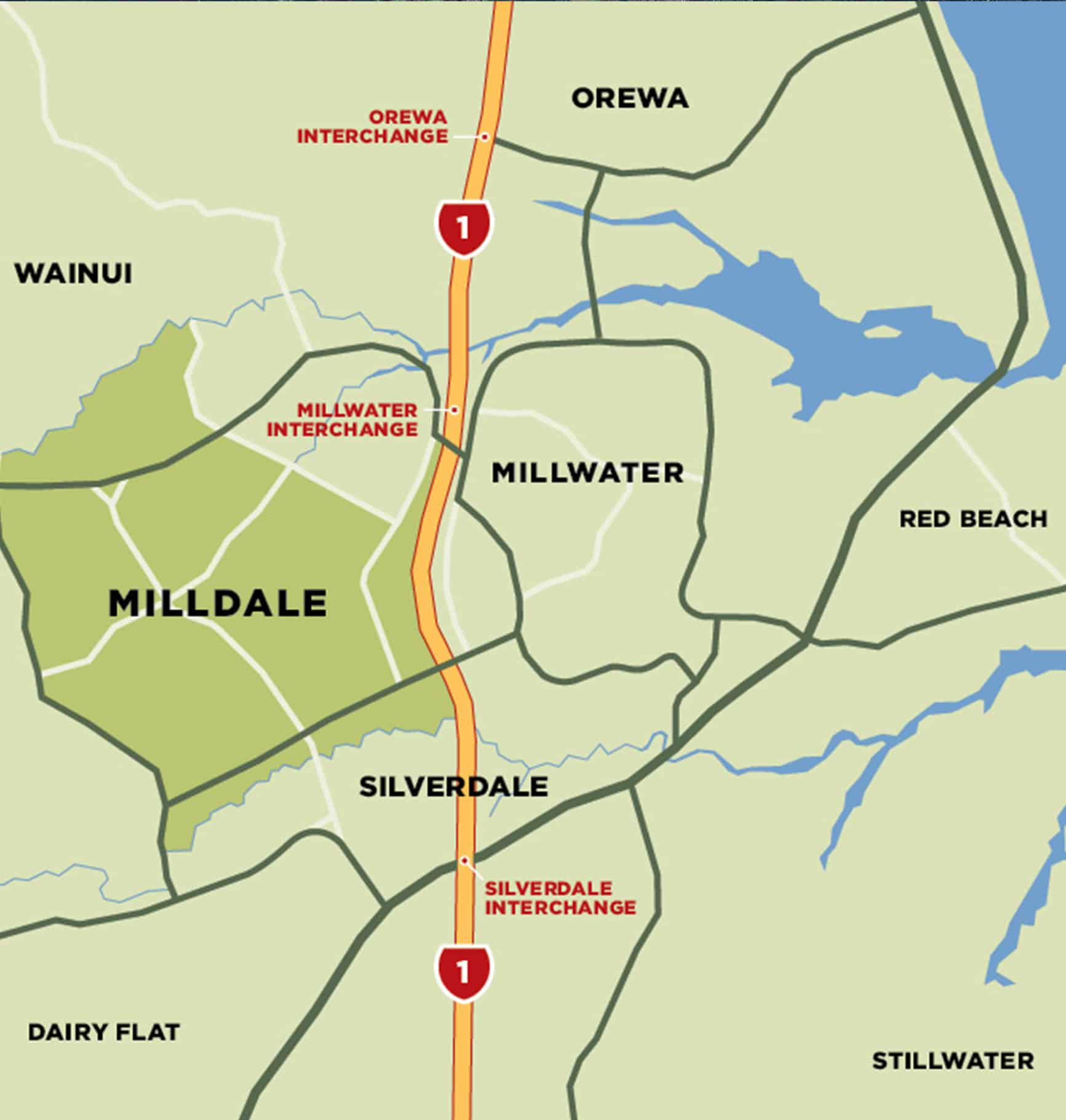
While it has supported projects such as Milldale north of Auckland, uptake has been limited. Since the legislation was introduced, only three levy arrangements have been approved, with industry feedback suggesting the process was too complex and costly to use more widely.
Why is the legislation being changed?
Infrastructure can delay development even where land is appropriately zoned.
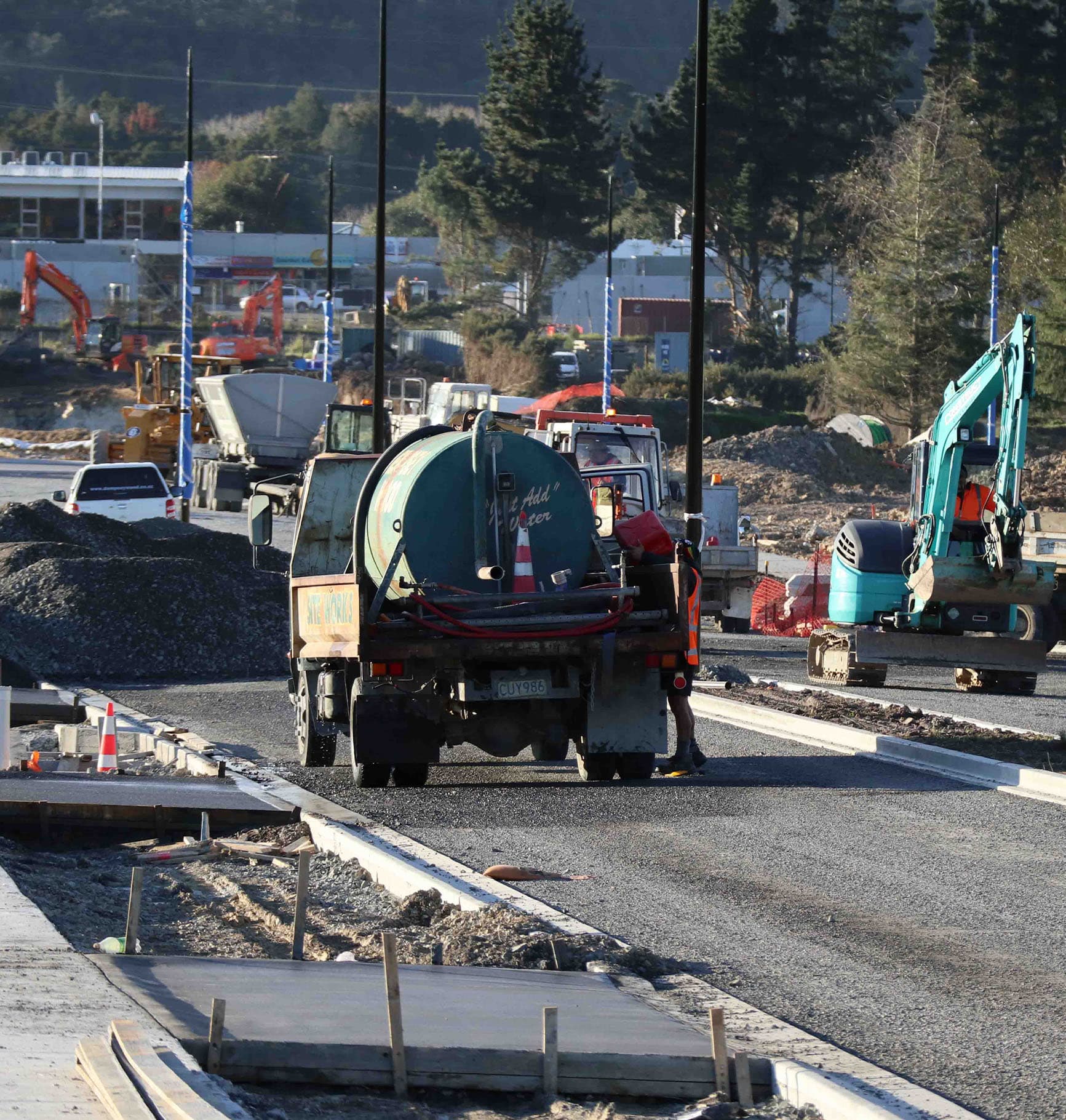
Larger residential, industrial and master-planned developments may require significant investment in roads, water, wastewater or stormwater before construction can proceed.
The Bill responds to these concerns by simplifying the approval process and expanding the range of infrastructure projects and providers that could use the model.
View the Bill here: Infrastructure Funding and Financing Amendment Bill
What will change?
A simpler approval process
Previously: The levy approval process was considered complex and costly.
Under the Bill: A more streamlined process is intended to make levy proposals easier to develop and approve.
Broader eligibility
Previously: Only a limited range of infrastructure projects and delivery bodies qualified.
Under the Bill: Eligibility would expand to include projects delivered by NZ Transport Agency Waka Kotahi, KiwiRail and water organisations.
More costs can be covered
Previously: Levy revenue was primarily used to fund capital delivery.
Under the Bill: Eligible operational and maintenance costs could also be recovered through levy revenue.
Wider application of the model
Previously: The model had limited uptake.
Under the Bill: The changes are intended to support use of the model across a wider range of infrastructure projects.
The Bill would also reduce the scope for councils and other infrastructure authorities to delay levy proposals that meet the statutory requirements.
What could this mean for development?
The amendments do not change planning rules or remove the need to satisfy planning, engineering and servicing requirements. They do, however, provide another funding option where the timing or cost of enabling infrastructure is preventing development from progressing.
The model is most likely to be relevant to larger developments and growth areas where substantial transport or water infrastructure must be delivered ahead of growth.
Looking ahead
Royal Assent is the final step required for the Bill to become law. The amended framework will not suit every development, and its impact will become clearer as councils, infrastructure providers and developers begin using it for new projects.
Understanding your site’s constraints
If you are considering a development, an early feasibility assessment can help identify whether infrastructure is likely to be a limiting factor and whether alternative funding pathways may be relevant to your project.